eSIM: Why It’s Different From a Physical SIM and Why You Should Consider It for Safety

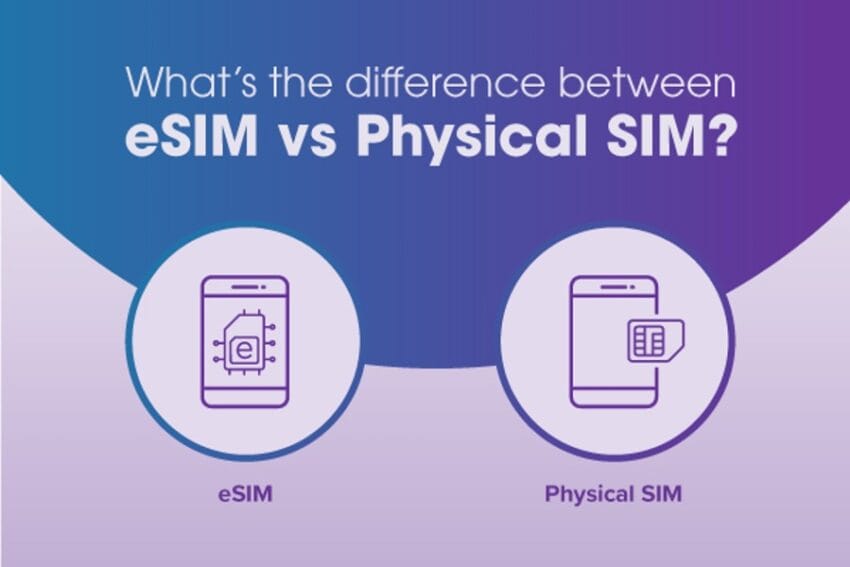
In the world of smartphones and connected devices, one of the biggest changes we’ve seen in recent years is the move from physical SIM cards to eSIM (embedded SIM) technology. If you’ve upgraded your phone lately, chances are you’ve noticed manufacturers slowly moving away from the little plastic card we’ve all used for years. But what exactly is eSIM, how is it different from a traditional SIM, and why should you consider using it—especially when it comes to safety?
What Is a SIM and What’s an eSIM?
- Physical SIM:
A small, removable card that holds your mobile network information (like your carrier details and identity). To change carriers, you swap it out for another SIM card. - eSIM (Embedded SIM):
A digital version of a SIM that is built directly into your device. Instead of inserting or removing a card, you activate your service using a QR code, app, or settings menu.
Think of an eSIM as a virtual SIM that’s already soldered into your phone, tablet, or smartwatch—no need to fiddle with a tray or a tiny piece of plastic.
Key Differences Between Physical SIM and eSIM
- Convenience
- Physical SIM: Requires handling a tiny card, using an ejector pin, and sometimes waiting for a new SIM from your carrier.
- eSIM: Setup is almost instant. You just scan a QR code or download the carrier profile.
- Multiple Numbers
- Physical SIM: Typically limited to one number per card, unless your device has dual-SIM slots.
- eSIM: Can store multiple carrier profiles, letting you switch between personal, work, or travel numbers with just a few taps.
- No Card to Lose
- Physical SIM: Can be damaged, misplaced, or stolen.
- eSIM: Permanently embedded, so it can’t be lost or removed.
- Security
- Physical SIM: If your phone is stolen, thieves can quickly remove the SIM card to cut off network tracking.
- eSIM: Since it’s built in, it can’t simply be pulled out—making it harder for someone to disable your connection.
Why You Should Consider eSIM for Safety
- Harder to Disable in Case of Theft
With a physical SIM, a thief can eject it in seconds, cutting off your phone’s network access and making it untraceable. With an eSIM, removing your number is much harder. This increases your chances of locating your phone through tracking apps like Find My iPhone or Find My Device. - Instant Connectivity in Emergencies
If you’re traveling and lose your network coverage, you can quickly download an eSIM plan from a local carrier without waiting in line at a store. This is especially useful in emergencies when staying connected is crucial. - More Reliable During Disasters
Some carriers allow you to keep multiple eSIM profiles. If one carrier’s network goes down (like during a natural disaster), you can switch to another quickly for backup communication. - No Risk of SIM Swap Attacks
SIM swapping is a common fraud where attackers convince your carrier to transfer your number to their SIM card. With eSIM, while not 100% immune, it’s harder to pull off since there’s no physical card involved—it requires more advanced digital verification.

The Future of SIM Technology
More smartphone makers are pushing toward eSIM-only devices. Apple has already launched eSIM-only iPhones in the U.S., and other manufacturers are following suit. Over time, eSIM will likely become the standard for mobile connectivity—offering better security, convenience, and global flexibility.
Final Thoughts
eSIM technology is more than just a convenience upgrade; it’s also a safety improvement. By making it harder for thieves to disable your phone and giving you more flexibility to stay connected during emergencies, eSIM is quickly proving to be the smarter choice.
If you’re buying a new phone or planning international travel, consider switching to eSIM. It’s not just the future—it’s also a safer way to stay connected today.